What Do Rideshare Drivers Keep After Expenses?
Gross earnings tell you what the app reported. Subtract the costs of doing the work to estimate how much a shift actually left you before taxes.
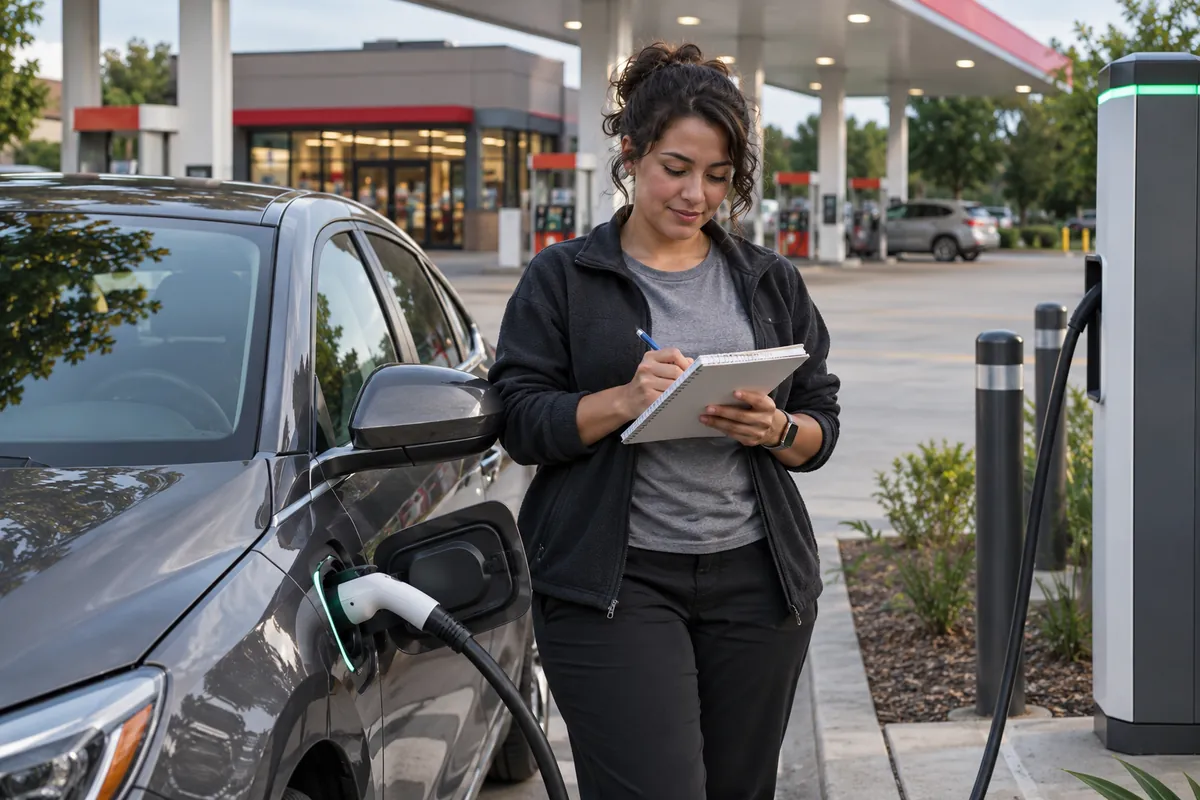
Track the money and the miles
For each shift, record reported earnings, time online, work miles and direct costs such as charging and unreimbursed tolls. Include miles while waiting or heading toward the next pickup when you estimate what the shift cost you.
Set aside an appropriate share of maintenance, tires, insurance and wear. If you rent a vehicle, start with the rental terms and avoid counting the same item twice.
Work an example
Assume a six-hour shift brings in $150. You spend $18 charging and $7 on unreimbursed tolls, and allocate $15 to vehicle and maintenance costs. The operating remainder is $110 before taxes, or about $18.33 per online hour.
The dollar amounts are examples. Use your own records to see how the outcome changes with the vehicle, route and period.
Keep the same basis across days
Use the same cost method for each shift you compare. Set recurring bills against a longer period so a bill arriving on Tuesday does not distort Tuesday’s driving result.
The public RideWage average shows gross pay per online hour. Compare your gross rate with that figure and keep your personal cost worksheet alongside it.